

Welcome to AWSP’s Prompt Library! Here, you’ll find essential tools, frameworks, and prompts to help you integrate AI effectively, from enhancing daily operations to fostering innovative learning environments. Dive in to explore how AI can support strong schools and successful students, equipping you and your team to navigate the future of education with confidence.
10 Practical Prompts
Promoting Student Voice
What opportunities can I create this month to engage students in discussions about school culture, giving them a platform to share their perspectives?
Supporting Well-being
What small but meaningful actions can I take to check in on staff well-being and show appreciation for their hard work?
Testing Timelines
Testing season is approaching, and I need a timeline for [specific tests]. Here’s the relevant information: [insert info]. Can you organize it into a schedule?
Community Connections
What local organizations or businesses could I connect with to explore funding or resources for school programs?
Reflective Practice
What quick reflection prompts can I share with teachers to help them assess and adjust their instructional strategies?
Student Reentry Safety
What support systems can I offer for a student returning from suspension to help them feel welcomed and supported?
Attendance Communication
I need to address rising absenteeism with families. Can you help me draft a message that emphasizes the importance of attendance and offers support resources?
Observation Follow-Up
After observing [teacher’s name], I’d like to send them a follow-up email summarizing strengths and growth areas. Can you help write this?
Conflict Resolution
There’s a conflict between [staff members]. Here’s the background: [insert details]. Can you help draft a plan or talking points to mediate the discussion?
Substitute Support
What methods can I use to ensure substitute teachers have the resources and support they need to maintain continuity in learning?
AI Prompt Frameworks
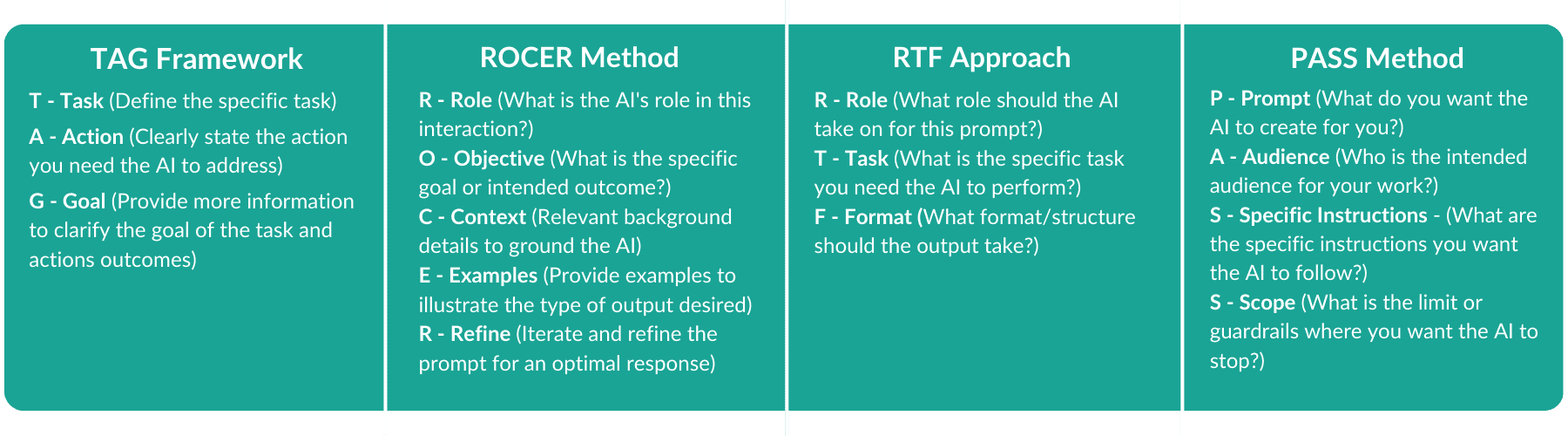
Prompt frameworks provide a structured approach for interacting with AI, helping members achieve clear, relevant, and actionable responses tailored to their needs. By using these frameworks, members can define tasks precisely, streamline communication, and consistently receive high-quality outcomes aligned with their goals.
Customizing Your AI with ChatGPT Pro
With ChatGPT Pro, you have access to advanced features, including the option to create your own GPT. This means you can build an AI assistant equipped with all your school’s essential information—making it a powerful tool for personalized support. By uploading documents such as your school’s policies, handbooks, community data, and unique guidelines, your custom GPT becomes a specialized resource that can assist with drafting communications, analyzing reports, and addressing school-specific queries.
AI Prompt Library
Below, you’ll find a variety of prompts designed to support principals with daily tasks, helping to free up valuable time. To make these prompts even more effective, consider pairing them with specific information from your school, such as your role, student demographics, staff details, and unique community insights. By uploading documents like your school handbook, spreadsheets, reports, and other resources, the AI can better understand the context of your queries, resulting in more tailored and useful responses.
Leadership and Vision
- Defining Vision: What are the key elements of a shared vision that aligns with our school’s mission to improve teaching and learning? How can I ensure it resonates with all stakeholders?
- Setting Mission-Driven Goals: What specific, mission-driven goals can I set this year to foster continuous improvement in teaching and learning, aligned with RCW 28A.405.100 (Minimum criteria for the evaluation of certificated employees)?
- Building a Collaborative Vision: How can I involve staff, students, and community members in refining our school vision to foster ownership and accountability across all levels?
- Embedding the Vision in Daily Practices: In what ways can I align daily decisions and school practices with our mission and vision, ensuring consistency in advancing student-centered learning?
- Promoting Equity in Leadership: How can I lead with equity at the forefront, ensuring our vision and leadership actions dismantle any systemic barriers impacting historically marginalized groups?
- Encouraging Reflective Leadership: What reflective practices can I engage in to assess my effectiveness in driving a vision of equity and learning-focused leadership within my school?
- Leading a Cycle of Inquiry: How can I implement a cycle of inquiry (plan, implement, assess, reflect) to assess our progress toward our school’s vision and respond to emerging needs?
- Utilizing Data to Refine Vision: What data sources should I examine to understand if our vision and mission are effectively supporting student growth, and how can I adjust our goals based on these insights?
- Facilitating High-Impact Conversations: What structures can I put in place to engage staff in high-impact conversations that focus on our mission and encourage collaborative problem-solving?
- Distributed Leadership: How can I identify and empower teacher leaders to champion aspects of our school vision, promoting shared leadership within our community?
- Aligning Vision with Instructional Practices: How do I ensure that instructional practices across grade levels align with our mission to provide equitable, high-quality education for every student?
- Creating a Culture of High Expectations: What strategies can I use to communicate high expectations aligned with our school vision, inspiring both students and staff to achieve their fullest potential?
- Ensuring Vision-Centric Decision-Making: What framework can I use to evaluate whether decisions—big or small—align with our mission and vision, especially in challenging situations?
- Assessing Mission Alignment: How frequently should I assess and communicate our progress toward our vision, ensuring transparency and buy-in from all stakeholders?
- Celebrating Vision-Driven Successes: What systems can I implement to recognize and celebrate achievements that align with our school’s mission and vision, reinforcing a positive, forward-focused culture?
School Climate & Culture
- Assessing Current Culture: How can I assess the current school climate to identify areas of strength and opportunities for growth, ensuring alignment with our vision for inclusivity and student-centered learning?
- Establishing Trust and Respect: What strategies can I implement to build a culture of trust and mutual respect among staff, students, and families, creating a safe space for all voices?
- Embedding Equity in Culture: How can I lead initiatives that ensure cultural responsiveness and equity are embedded into our school’s daily practices, traditions, and values?
- Promoting Student Voice: What methods can I use to encourage and amplify student voice, ensuring students feel valued and part of the decision-making process in our school community?
- Developing Inclusive Practices: What inclusive practices can I introduce to ensure that students and staff from diverse backgrounds feel welcomed, respected, and represented in our school?
- Fostering a Positive Classroom Culture: How can I support teachers in developing classroom environments that align with our school culture of respect, engagement, and high expectations for all?
- Cultivating Staff Collaboration: What structures or routines can I establish to foster collaboration and collegiality among staff, promoting a shared responsibility for maintaining a positive school culture?
- Building a Community of Care: How can I develop and model a ‘community of care’ where staff, students, and families feel supported, especially during times of crisis or challenge?
- Addressing Conflict with Compassion: What approaches can I use to address and resolve conflicts within the school community in a way that models empathy, understanding, and mutual respect?
- Celebrating Diversity and Inclusion: How can I create a culture that celebrates diversity, with events, policies, or traditions that honor the varied backgrounds and identities within our school?
- Recognizing and Rewarding Positive Contributions: What systems can I implement to regularly recognize and celebrate students and staff who contribute to a positive school climate, reinforcing desired behaviors?
- Involving Families in School Culture: How can I engage families in shaping our school culture, ensuring they feel connected to and invested in our community’s values and goals?
- Promoting a Culture of Wellness: What practices can I put in place to support the physical and mental well-being of staff and students, promoting a culture that values self-care and wellness?
- Building a Safe Environment for Risk-Taking: How can I create a culture where staff and students feel safe to take risks, explore new ideas, and embrace challenges as learning opportunities?
- Evaluating Cultural Progress: What metrics or indicators can I use to assess progress in cultivating a positive school climate and culture, ensuring alignment with our long-term goals for student and staff well-being?
Instructional Leadership
- Observing and Supporting Effective Teaching: What strategies can I use to conduct meaningful classroom observations that provide constructive feedback and support teachers’ growth in line with our instructional framework?
- Aligning Instructional Practices with Standards: How can I help teachers align their instructional practices with Washington State standards to ensure consistent, high-quality instruction across all classrooms?
- Promoting Culturally Responsive Teaching: What steps can I take to support teachers in developing culturally responsive instructional strategies that meet the diverse needs of our student population?
- Fostering a Reflective Teaching Practice: How can I encourage teachers to engage in self-reflection and peer collaboration to continuously improve their instructional techniques?
- Data-Driven Instruction: What tools or processes can I use to help teachers effectively use student data to inform and adapt their instructional practices, addressing learning gaps and supporting growth?
- Supporting Differentiated Instruction: How can I assist teachers in implementing differentiated instruction techniques that meet students at their individual learning levels and promote equitable outcomes?
- Integrating Technology in Instruction: What strategies can I promote to help teachers integrate technology effectively, enhancing engagement and supporting personalized learning goals?
- Developing a Growth Mindset among Teachers: How can I cultivate a culture where teachers feel encouraged to take risks, try new methods, and view challenges as opportunities for instructional growth?
- Supporting New and Struggling Teachers: What mentorship or coaching practices can I implement to support new or struggling teachers, ensuring they develop strong instructional skills?
- Building Professional Learning Communities (PLCs): What structures can I put in place to facilitate effective PLCs where teachers collaboratively plan, analyze data, and share best practices?
- Encouraging Evidence-Based Practices: How can I guide teachers to select and implement evidence-based instructional strategies that improve student outcomes and align with our goals?
- Feedback and Evaluation: How can I provide timely and actionable feedback during evaluations that fosters growth and encourages teachers to refine their instructional practices?
- Supporting Teachers in Student Growth Goals: How can I assist teachers in setting, tracking, and achieving student growth goals, and what resources can I provide to support this work?
- Creating Opportunities for Cross-Curricular Collaboration: What opportunities can I create for teachers to collaborate across content areas, enhancing interdisciplinary learning and fostering deeper student engagement?
- Sustaining Instructional Innovation: How can I encourage and support instructional innovation while ensuring alignment with district goals, instructional frameworks, and state standards?
Equity & Inclusion
- Assessing Equity Gaps: What data can I collect and analyze to identify existing equity gaps in student achievement, discipline, and access to resources in our school?
- Building Cultural Competence among Staff: How can I support and develop staff cultural competence to ensure they understand and respond effectively to students’ diverse backgrounds and experiences?
- Addressing Implicit Bias: What strategies can I use to help staff recognize and address implicit biases that may affect their interactions with students, families, and colleagues?
- Creating Inclusive Policies and Practices: How can I assess and modify school policies to ensure they promote inclusivity, reduce barriers, and support equitable access to learning opportunities?
- Promoting Student Voice in Equity Initiatives: What opportunities can I create for students, especially those from underrepresented groups, to share their experiences and contribute to school decisions on equity and inclusion?
- Supporting Diverse Learning Needs: How can I ensure that our school effectively meets the unique learning needs of students with disabilities, English Language Learners, and others requiring additional support?
- Developing an Inclusive Curriculum: What steps can I take to work with teachers to develop a curriculum that reflects diverse perspectives and histories, fostering a sense of belonging among all students?
- Building Community Partnerships for Equity: How can I build partnerships with local organizations and families to support our school’s equity and inclusion goals and provide additional resources for students?
- Equity-Centered Professional Development: What types of professional development can I offer to deepen staff understanding of equity issues and equip them with tools to create inclusive classrooms?
- Reducing Discipline Disparities: What systems or practices can I implement to address and reduce any disparities in student discipline, ensuring fair and supportive responses for all students?
- Encouraging High Expectations for All Students: How can I help staff set and maintain high expectations for all students, regardless of background, and avoid practices that contribute to achievement gaps?
- Increasing Staff Diversity: How can I create recruitment and retention strategies to build a staff that better reflects the diversity of our student body and community?
- Supporting LGBTQ+ Students: What policies and practices can I implement to ensure LGBTQ+ students feel safe, supported, and fully included in our school environment?
- Monitoring and Communicating Equity Progress: What methods can I use to regularly monitor our progress on equity goals, and how can I communicate these updates transparently to the school community?
- Fostering Allyship and Advocacy: How can I encourage staff, students, and families to become allies and advocates for marginalized groups within our school, fostering a culture of inclusion and respect?
Staff Development & Retention
- Creating a Positive Staff Culture: What strategies can I implement to foster a positive, collaborative culture among staff that supports professional growth and job satisfaction?
- Mentoring and Supporting New Teachers: How can I develop a robust mentorship program that supports new teachers in acclimating to our school and building essential teaching skills?
- Providing Individualized Professional Development: How can I assess individual teachers’ needs to offer personalized professional development opportunities that align with their goals and strengths?
- Supporting Teacher Well-Being: What programs or resources can I introduce to promote staff wellness, helping teachers manage stress and maintain work-life balance?
- Promoting a Growth Mindset in Staff: How can I encourage a growth mindset among staff, inspiring them to embrace new challenges, learn from feedback, and continuously improve their practices?
- Offering Leadership Opportunities: What leadership opportunities can I create for staff to foster their professional growth, build a sense of ownership, and develop future school leaders?
- Addressing Burnout and Job Satisfaction: What steps can I take to recognize and address signs of burnout, supporting teachers in sustaining their passion and effectiveness in the classroom?
- Providing Effective Feedback and Evaluation: How can I ensure that our evaluation process is both supportive and constructive, offering meaningful feedback that encourages growth and celebrates successes?
- Recognizing and Celebrating Staff Achievements: What systems can I put in place to regularly recognize and celebrate staff achievements, boosting morale and showing appreciation for their hard work?
- Building a Collaborative Learning Environment: How can I create a culture where teachers feel safe and encouraged to collaborate, share ideas, and support one another’s professional growth?
- Supporting Continuous Learning through PLCs: What structures can I develop to support effective Professional Learning Communities (PLCs) where teachers can collaboratively address challenges and refine their practice?
- Providing Resources for Professional Growth: What resources (time, materials, access to experts) can I offer to support teachers’ ongoing professional development and classroom innovation?
- Ensuring Equitable Access to PD: How can I ensure that all teachers, regardless of experience level, have equitable access to professional development that meets their needs and enhances their effectiveness?
- Encouraging Reflective Practice: What reflective practices can I introduce that help teachers regularly evaluate their own performance and identify areas for growth?
- Enhancing Staff Retention: What strategies can I implement to increase teacher retention, ensuring that experienced, committed educators remain with our school long-term?
Student Achievement & Support
- Setting High Academic Expectations: How can I establish a school-wide culture of high academic expectations, encouraging students and staff to aim for excellence in all areas of learning?
- Using Data to Identify Student Needs: What methods can I use to analyze data effectively to identify students in need of academic intervention, support, or enrichment?
- Creating Targeted Intervention Programs: How can I design and implement targeted intervention programs that address the unique needs of students who are struggling academically?
- Supporting Diverse Learners: What strategies can I implement to ensure that diverse learners, including ELL and students with special needs, receive the support they need to thrive academically?
- Fostering Growth Mindset in Students: What practices can I introduce to help students develop a growth mindset, encouraging resilience and a positive approach to learning challenges?
- Engaging Families in Academic Support: How can I engage families as partners in supporting their children’s academic success and keeping them informed of progress and needs?
- Promoting Student-Centered Learning: How can I encourage student-centered approaches in classrooms that empower students to take ownership of their learning?
- Using Formative Assessment for Continuous Improvement: What assessment strategies can teachers use to provide ongoing feedback and adjust instruction to meet students’ evolving needs?
- Creating an Inclusive Learning Environment: How can I work with staff to create an inclusive environment where every student feels valued, supported, and motivated to achieve?
- Supporting Social-Emotional Development: What programs can I introduce to support students’ social-emotional skills, which in turn enhance their focus, resilience, and academic success?
- Enhancing Engagement for At-Risk Students: How can I implement practices that boost engagement and motivation for students identified as at risk of academic failure?
- Encouraging Student Voice in Goal Setting: What processes can I establish to involve students in setting their academic goals, helping them feel responsible and motivated toward their learning?
- Providing Access to Enrichment Opportunities: How can I ensure all students, especially those who excel, have access to enrichment opportunities that challenge them academically?
- Building Academic Support Systems Across Grade Levels: What systems can I put in place to ensure consistent academic support for students as they transition between grade levels?
- Tracking and Celebrating Student Growth: What processes can I establish to track, recognize, and celebrate academic growth, reinforcing progress and motivating students to achieve?
Parent & Community Engagement
- Building Trust with Families: What strategies can I implement to build trust and establish strong, positive relationships with families, creating a welcoming environment for all?
- Encouraging Family Involvement in Learning: How can I engage families in supporting their children’s learning at home, reinforcing academic goals, and building consistent communication?
- Engaging Underrepresented Families: What specific outreach methods can I use to connect with underrepresented or marginalized families, ensuring they feel included and valued in our school community?
- Creating Two-Way Communication Channels: What systems can I put in place to facilitate open, two-way communication with parents, ensuring they feel heard and informed about school activities?
- Organizing Family Education Events: What types of family education events or workshops can I offer to equip parents with the skills and knowledge to support their children’s academic and social development?
- Partnering with Community Organizations: How can I build partnerships with local community organizations to provide additional resources and support for our students and families?
- Promoting Cultural Awareness and Inclusion: What cultural events or initiatives can I introduce to celebrate the diversity of our school community, encouraging families to share their heritage and perspectives?
- Engaging Parents in Decision-Making: How can I create opportunities for parents to be involved in school decision-making processes, allowing them to contribute their insights and feedback?
- Increasing Parent Participation in School Events: What strategies can I use to boost parent attendance and participation in school events, making them feel invested and involved in our school culture?
- Supporting Families in Student Transitions: How can I help families support their children during key transition points, such as moving from elementary to middle school or from middle to high school?
- Providing Multilingual Communication: What practices can I adopt to ensure that all communications are accessible to non-English-speaking families, ensuring they stay informed and engaged?
- Promoting Volunteer Opportunities: How can I encourage parents and community members to volunteer in ways that align with their interests and strengths, benefiting both students and the school?
- Leveraging Community Expertise for Student Learning: What programs can I establish to bring in community members as guest speakers or mentors, connecting students with local role models?
- Recognizing Family Contributions: What methods can I use to regularly acknowledge and celebrate family and community contributions to our school, reinforcing a positive partnership?
- Evaluating and Improving Family Engagement Efforts: How can I assess the effectiveness of our family engagement efforts and identify areas for improvement to strengthen our connections with families?
Data Analysis & Improvement Planning
- Identifying Key Data Sources: What data sources (academic, behavioral, attendance, etc.) should I regularly monitor to gain a comprehensive view of student progress and school performance?
- Setting Data-Informed School Goals: How can I use data to set meaningful, measurable school improvement goals that address the specific needs of our students and align with our school’s mission?
- Conducting Root Cause Analysis: What methods can I use to analyze data deeply to identify root causes of persistent issues, such as achievement gaps or chronic absenteeism?
- Creating a Data-Literate Culture among Staff: How can I support staff in becoming data-literate, empowering them to analyze and interpret data to make informed instructional decisions?
- Developing an Improvement Plan Framework: What framework should I use to guide our school’s improvement planning process, ensuring clear steps from data analysis to implementation and monitoring?
- Using Data to Drive Instructional Practices: How can I support teachers in using data from formative assessments to adapt and differentiate instruction to better meet students’ needs?
- Tracking Progress on Improvement Goals: What systems can I implement to regularly track and evaluate progress toward our school improvement goals, ensuring accountability and responsiveness?
- Engaging Stakeholders in Data Review: How can I involve teachers, students, and families in the process of reviewing data and setting improvement goals to create a shared vision for success?
- Addressing Equity Gaps through Data: How can I use data to identify and address equity gaps in our school, ensuring that all students have access to the resources and support they need?
- Implementing a Continuous Improvement Cycle: What processes can I put in place to establish a continuous improvement cycle of planning, implementing, assessing, and refining practices based on data insights?
- Using Data to Inform Resource Allocation: How can I utilize data to guide decisions on resource allocation, prioritizing areas with the greatest need to support student achievement?
- Analyzing Behavioral and Social-Emotional Data: What data should I collect and analyze to understand trends in student behavior and social-emotional needs, and how can this inform our support programs?
- Developing Data Dashboards for Transparency: What data visualization tools or dashboards can I create to display key metrics, making data accessible and transparent to staff, students, and families?
- Evaluating the Impact of Interventions: How can I assess the effectiveness of academic and behavioral interventions, using data to refine or discontinue strategies that aren’t yielding positive results?
- Communicating Data Insights with the Community: What communication strategies can I use to share data insights and progress with our community, building trust and fostering a data-informed culture?
Time & Task Management
- Setting Priorities for the School Year: What criteria should I use to set my top priorities for the school year, ensuring alignment with our school’s goals and my role as an instructional leader?
- Creating a Daily and Weekly Schedule: How can I structure my daily and weekly schedule to ensure a balance between administrative tasks, classroom visits, and time for strategic planning?
- Delegating Effectively: What strategies can I use to delegate tasks to my team effectively, allowing me to focus on high-impact responsibilities?
- Managing Interruptions and Staying Focused: How can I reduce or manage interruptions during the day to stay focused on critical tasks and avoid distraction?
- Using Technology for Task Management: What digital tools can I use to organize tasks, track deadlines, and manage my time more efficiently.
- Prioritizing Tasks with High Impact: How can I assess my daily tasks to prioritize those that have the highest impact on student achievement and school improvement?
- Setting Boundaries to Prevent Burnout: What boundaries can I set for myself regarding work hours and availability to ensure a healthy work-life balance?
- Creating Efficient Meeting Agendas: How can I design and facilitate efficient meeting agendas to ensure that every meeting is focused, productive, and time-efficient?
- Developing a System for Tracking Deadlines: What system can I implement to keep track of deadlines for reports, assessments, and other important tasks, ensuring I stay on top of requirements?
- Balancing Long-Term Projects with Daily Tasks: How can I balance attention to long-term strategic projects while managing the daily demands and short-term tasks of my role?
- Allocating Time for Reflection and Planning: How can I carve out time regularly for reflection, strategic planning, and setting goals to ensure continuous improvement?
- Managing Email Overload: What email management practices can I implement to reduce inbox clutter and respond to messages more efficiently?
- Implementing a Weekly Review System: What practices can I include in a weekly review system to reflect on my accomplishments, adjust priorities, and plan for the week ahead?
- Maintaining Flexibility in a Structured Schedule: How can I build flexibility into my schedule to handle unexpected situations or emergencies while staying on top of priorities?
- Reviewing and Adjusting Time Management Practices: What strategies can I use to regularly review and adjust my time management practices, ensuring I continue to work effectively and align my actions with my goals?
Crisis Management & Safety
- Developing a Comprehensive Crisis Plan: What key components should I include in a crisis management plan to address a wide range of potential emergencies, from natural disasters to security threats?
- Conducting Safety Drills and Training: How can I design effective safety drills and training sessions that prepare staff and students for emergencies without causing unnecessary anxiety?
- Building a Crisis Response Team: Who should be included in a crisis response team, and how can I ensure each member understands their roles and responsibilities in an emergency?
- Creating Clear Communication Protocols: What communication protocols can I establish to ensure clear, timely information reaches staff, students, and families during a crisis?
- Assessing Physical Safety Measures: How can I regularly assess and improve physical safety measures, such as secure entrances, surveillance systems, and emergency exits, to enhance school security?
- Establishing Partnerships with Local Authorities: How can I build strong partnerships with local police, fire departments, and emergency services to ensure coordinated responses during crises?
- Developing a Mental Health Response Plan: What mental health support resources can I provide for students and staff affected by trauma, grief, or stress following a crisis?
- Managing Crisis Communications with the Media: What steps should I take to communicate effectively with the media during a crisis, ensuring accurate information and protecting student privacy?
- Providing Training on Trauma-Informed Practices: How can I equip staff with trauma-informed practices to help them support students’ emotional needs after a crisis?
- Implementing Cybersecurity Protocols: What cybersecurity measures should I put in place to protect student and staff information from potential data breaches or cyber threats?
- Evaluating Crisis Response Effectiveness: How can I conduct post-crisis evaluations to assess our response, gather feedback, and identify areas for improvement in our crisis management plan?
- Supporting a Culture of Safety Awareness: What practices can I implement to promote a culture of safety awareness, where students and staff feel responsible for contributing to a safe school environment?
- Preparing for Pandemic-Related Issues: What protocols should I establish to handle health-related crises, such as pandemics, ensuring the well-being of students and staff while maintaining continuity of learning?
- Creating a Continuity of Operations Plan: How can I develop a continuity of operations plan to ensure that essential functions and services continue during and after a crisis?
- Providing Regular Safety Updates to Families: What communication methods can I use to keep families informed about school safety measures, updates to protocols, and how they can support our safety initiatives?
Student Behavior & Discipline
- Understanding Emergency Rule Changes: What are the key changes in the recent emergency updates to Washington State’s student discipline rules, and how do they impact our current policies?
- Aligning School Policies with State Regulations: How can I ensure our school’s discipline policies comply with the updated Washington Administrative Code (WAC) Chapter 392-400, effective August 16, 2024?
- Implementing Classroom Exclusion Procedures: What steps should I take to implement the revised procedures for classroom exclusions, including reporting and notification requirements, as outlined in the emergency rules?
- Promoting Restorative Practices: How can I integrate restorative practices into our discipline approach to address behavioral issues while maintaining compliance with state regulations?
- Providing Educational Services During Exclusions: What strategies can I use to ensure students receive appropriate educational services during suspensions or expulsions, as mandated by the updated rules?
- Engaging Families in Discipline Processes: How can I effectively involve families in the discipline process, ensuring they are informed and their perspectives are considered in decision-making?
- Addressing Disproportionality in Discipline: What data should I analyze to identify and address any disproportionality in discipline practices, ensuring equitable treatment for all students?
- Training Staff on Updated Discipline Policies: What professional development opportunities can I provide to help staff understand and implement the new discipline rules effectively?
- Developing Clear Communication Protocols: How can I establish clear communication protocols to inform students, staff, and families about the updated discipline policies and procedures?
- Implementing Positive Behavioral Interventions: What evidence-based interventions can I introduce to support positive student behavior and reduce the need for exclusionary discipline?
- Monitoring Compliance with Discipline Procedures: What systems can I put in place to monitor and ensure compliance with the updated discipline procedures, including documentation and reporting requirements?
- Supporting Students During Reentry: How can I develop reentry plans that support students returning from suspension or expulsion, promoting their successful reintegration into the school community?
- Evaluating the Effectiveness of Discipline Policies: What metrics can I use to assess the effectiveness of our discipline policies and make data-driven adjustments as needed?
- Ensuring Cultural Responsiveness in Discipline: How can I ensure that our discipline practices are culturally responsive and do not inadvertently disadvantage students from diverse backgrounds?
- Collaborating with Community Resources: What partnerships can I establish with community organizations to provide additional support for students facing behavioral challenges, aligning with the updated discipline framework?
Communication & Public Relations
- Developing a Communication Strategy: What key elements should I include in a communication strategy to ensure consistent, transparent, and effective messaging with all stakeholders?
- Creating a Positive School Narrative: How can I craft and share a compelling story about our school’s achievements, culture, and values that resonates with students, families, and the community?
- Using Social Media Effectively: What best practices can I follow to use social media platforms effectively, sharing positive stories while engaging families and the broader community?
- Managing Crisis Communication: What steps should I take to prepare for and handle communication during a crisis, ensuring timely, accurate information reaches all stakeholders?
- Engaging Families Through Newsletters: How can I design newsletters that provide valuable information, keep families informed, and encourage two-way communication with the school?
- Promoting Events and Achievements: What strategies can I use to highlight school events and student achievements, building a sense of pride and community support?
- Building Relationships with Local Media: How can I establish strong relationships with local media outlets to enhance our school’s visibility and share positive news with the community?
- Ensuring Inclusive Communication: What methods can I implement to ensure our communication is accessible to non-English-speaking families and those with diverse needs?
- Developing a Strong Online Presence: How can I optimize our website and social media profiles to serve as reliable resources for parents and community members, providing up-to-date and useful information?
- Gathering Community Feedback: What tools and methods can I use to gather feedback from families and community members, fostering a sense of involvement and ownership in the school?
- Highlighting Equity and Inclusion Efforts: How can I communicate our school’s equity and inclusion initiatives to show our commitment to creating a welcoming environment for all?
- Showcasing Teacher and Staff Contributions: What are effective ways to celebrate and share the hard work of teachers and staff, building a positive image and morale within the school community?
- Communicating School Policies and Updates: What strategies can I use to communicate important policies and updates clearly and effectively, minimizing misunderstandings and keeping everyone informed?
- Engaging Alumni and Local Partners: How can I involve alumni and local business partners in supporting our school, sharing success stories, and creating mutually beneficial partnerships?
- Creating Visual Content for Engagement: What types of visual content (videos, photos, infographics) can I create to engage the community and bring our school’s activities and achievements to life?
Composing Communications
- Announcing New School Policies: Compose a letter to families introducing new school policies, explaining the rationale behind these changes, and outlining how they align with the school’s goals.
- Informing Parents of an Emergency School Closure: Draft an announcement for parents about an emergency school closure due to weather or unforeseen circumstances, including details about when classes will resume and any additional support available.
- Sending Positive Updates on Student Achievements: Write an uplifting newsletter or letter to families celebrating recent student achievements, highlighting successes in academics, arts, sports, or other areas.
- Addressing Behavior Concerns School-Wide: Compose a message to families regarding a rise in certain behavioral issues, explaining the steps the school is taking to address them and how families can support positive behavior.
- Introducing a New School Program or Initiative: Create a letter introducing a new program (such as a literacy initiative or after-school club) that explains the benefits for students and invites parents to get involved.
- Writing a Letter About Standardized Testing: Draft a letter informing parents about upcoming standardized tests, explaining their importance, how the school prepares students, and how families can support their children.
- Responding to Community Concerns or Criticism: Compose a thoughtful and transparent response to recent community concerns, acknowledging feedback, explaining the school’s position, and outlining steps moving forward.
- Welcoming New Families to the School: Write a welcome letter for new families joining the school, introducing key staff members, school values, and resources to help them feel connected and informed.
- Announcing Staff Changes: Craft a message to parents informing them of staff changes (e.g., a teacher leaving or a new counse or joining), expressing appreciation, and sharing the plan for continuity in education.
- Writing a Monthly Principal’s Message: Create a template for a monthly message from the principal, where you share updates, celebrate successes, and set a positive tone for the coming month.
- Notifying Parents of a School-Wide Health Concern: Compose a letter to inform parents of a health concern (such as a flu outbreak), detailing precautions the school is taking and guidelines for keeping children safe.
- Addressing Attendance or Tardiness Concerns: Write a letter to parents addressing attendance or tardiness issues, emphasizing the importance of consistent attendance and offering resources to support families.
- Introducing Social-Emotional Learning (SEL) Efforts: Draft a letter explaining the school’s focus on social-emotional learning, its benefits for students, and how families can support SEL at home.
- Sharing Results of a School Survey: Write a summary for parents detailing the results of a recent school survey, thanking them for their input, sharing key findings, and explaining how the school will act on the feedback.
Budget & Resource Management
- Aligning Budget with School Goals: How can I assess our school’s goals and needs to ensure the budget allocation aligns with our priorities for student achievement and staff support?
- Creating a Transparent Budget Plan: What steps can I take to create a transparent budget plan that involves input from staff and stakeholders, ensuring that everyone understands how funds are allocated?
- Prioritizing Resources for Student Achievement: How can I prioritize spending on resources that directly impact student learning, such as instructional materials, technology, and support programs?
- Finding Cost-Effective Solutions: What strategies can I use to find cost-effective solutions and make the most of our school’s budget without sacrificing quality or outcomes?
- Building Community Partnerships for Funding: How can I develop partnerships with local businesses and organizations to secure additional funding or resources that support our school’s programs?
- Managing Limited Resources Efficiently: What systems can I put in place to manage limited resources effectively, ensuring equitable distribution across departments and programs?
- Writing Grant Proposals: What are best practices for writing grant proposals that maximize our chances of securing additional funding for specific initiatives?
- Monitoring Budget Expenditures: How can I implement a system to regularly monitor and track budget expenditures, ensuring that spending stays within budget and aligns with our goals?
- Allocating Resources for Professional Development: How can I allocate funds to provide meaningful professional development for staff, ensuring they have the tools and training needed to support students effectively?
- Justifying Budget Requests to Stakeholders: What key points should I include in presentations to justify budget requests to stakeholders, demonstrating how the funding supports our mission?
- Implementing Energy and Cost Savings: What initiatives can I implement to reduce energy costs and other operational expenses, redirecting savings toward instructional needs?
- Evaluating the ROI of Programs and Resources: How can I assess the return on investment for various programs and resources to determine whether they are providing adequate value and impact on student learning?
- Preparing for Unexpected Expenses: What strategies can I use to prepare for unforeseen expenses, ensuring we have a contingency plan without compromising critical areas?
- Balancing Short-Term and Long-Term Needs: How can I balance immediate needs with long-term investments, ensuring that our resources are used to sustain growth and development?
- Communicating Budget Decisions with Transparency: How can I communicate budget decisions effectively with staff, parents, and the community, explaining the rationale behind allocation choices?
Technology Integration
- Setting a Vision for Technology Use: What key components should I include in a vision for technology integration that aligns with our instructional goals and supports a student-centered learning environment?
- Selecting Appropriate EdTech Tools: How can I evaluate and choose educational technology tools that enhance learning, engagement, and accessibility for all students?
- Supporting Teachers in Technology Integration: What strategies can I use to support teachers in effectively integrating technology into their instruction, making it a natural part of their teaching process?
- Ensuring Equitable Access to Technology: How can I ensure that all students have equitable access to necessary technology, both in and out of school, to close the digital divide?
- Providing Technology Training for Staff: What professional development can I offer to ensure that teachers and staff feel confident and competent in using new technology tools in their classrooms?
- Promoting Digital Citizenship: What programs or practices can I implement to teach students about digital citizenship, online safety, and responsible technology use?
- Leveraging Technology for Data Analysis: How can I utilize technology tools to help staff collect and analyze data on student performance, guiding instructional adjustments?
- Integrating Technology in Assessment Practices: What digital assessment tools can I incorporate to provide real-time feedback for students and help teachers monitor progress effectively?
- Enhancing Communication through Technology: How can I use technology platforms to improve communication with parents, students, and staff, ensuring everyone stays informed and engaged?
- Supporting Remote or Blended Learning: What infrastructure and practices do we need to develop to support effective remote or blended learning when necessary?
- Implementing a School-Wide Learning Management System (LMS): What steps should I take to implement and maximize a learning management system, ensuring it is well-utilized by teachers, students, and parents?
- Encouraging Student Creativity with Technology: What tools or projects can I introduce that encourage students to use technology creatively, fostering innovation and problem-solving skills?
- Building a Sustainable Technology Budget: How can I create a sustainable budget for technology, ensuring we have resources for device maintenance, software updates, and future purchases?
- Using Technology for Classroom Observations and Feedback: What technology can I use to conduct and streamline classroom observations, providing timely feedback that helps teachers grow?
- Evaluating the Impact of Technology on Learning Outcomes: How can I assess whether technology integration is having a positive impact on student learning outcomes, and what metrics should I track?
Professional Growth & Reflection
- Setting Personal Growth Goals: What specific, measurable goals can I set for my professional growth this year that align with our school’s priorities and my leadership aspirations?
- Reflecting on Leadership Style: How can I reflect on and assess my leadership style to identify areas where I can become more effective in supporting my staff and students?
- Seeking Feedback for Growth: What methods can I use to gather constructive feedback from staff, students, and peers that will provide insight into my strengths and areas for improvement?
- Engaging in Self-Reflection after Key Events: How can I systematically reflect on my actions and decisions following significant events (such as staff meetings or difficult conversations) to learn and grow?
- Developing a Professional Learning Plan: What steps can I take to create a professional learning plan that includes targeted opportunities for growth and aligns with my leadership goals?
- Keeping Up with Educational Trends: What strategies can I use to stay informed about current educational trends, research, and best practices to bring fresh ideas into my leadership?
- Balancing Personal Well-being with Professional Demands: How can I create a balanced approach to my work that includes time for personal well-being and helps me prevent burnout?
- Reflecting on Equity and Inclusion in Leadership: How can I evaluate my own practices to ensure that my leadership reflects a commitment to equity, inclusivity, and cultural responsiveness?
- Building a Professional Support Network: What steps can I take to develop a network of mentors, peers, and colleagues who can support my growth and offer diverse perspectives?
- Evaluating Decision-Making Processes: What reflective practices can I adopt to analyze my decision-making processes, ensuring they are thoughtful, inclusive, and effective?
- Creating a Leadership Reflection Journal: How can I use a journal or similar tool to regularly document my reflections, goals, and insights, creating a record of my growth over time?
- Setting Intentional Time for Reflection: How can I build regular time into my schedule for reflection and planning, ensuring I have dedicated moments to consider my growth and leadership?
- Tracking Progress on Personal Goals: What tools or practices can I use to track my progress toward my personal and professional goals, making adjustments as needed?
- Learning from Leadership Challenges: How can I reflect on and extract valuable lessons from leadership challenges or setbacks, using them as opportunities for growth?
- Aligning Personal Values with Leadership Practice: How can I reflect on my core values and ensure that my leadership actions and decisions consistently align with them?